

EGEA Warszawa


ABOUT WARSAW
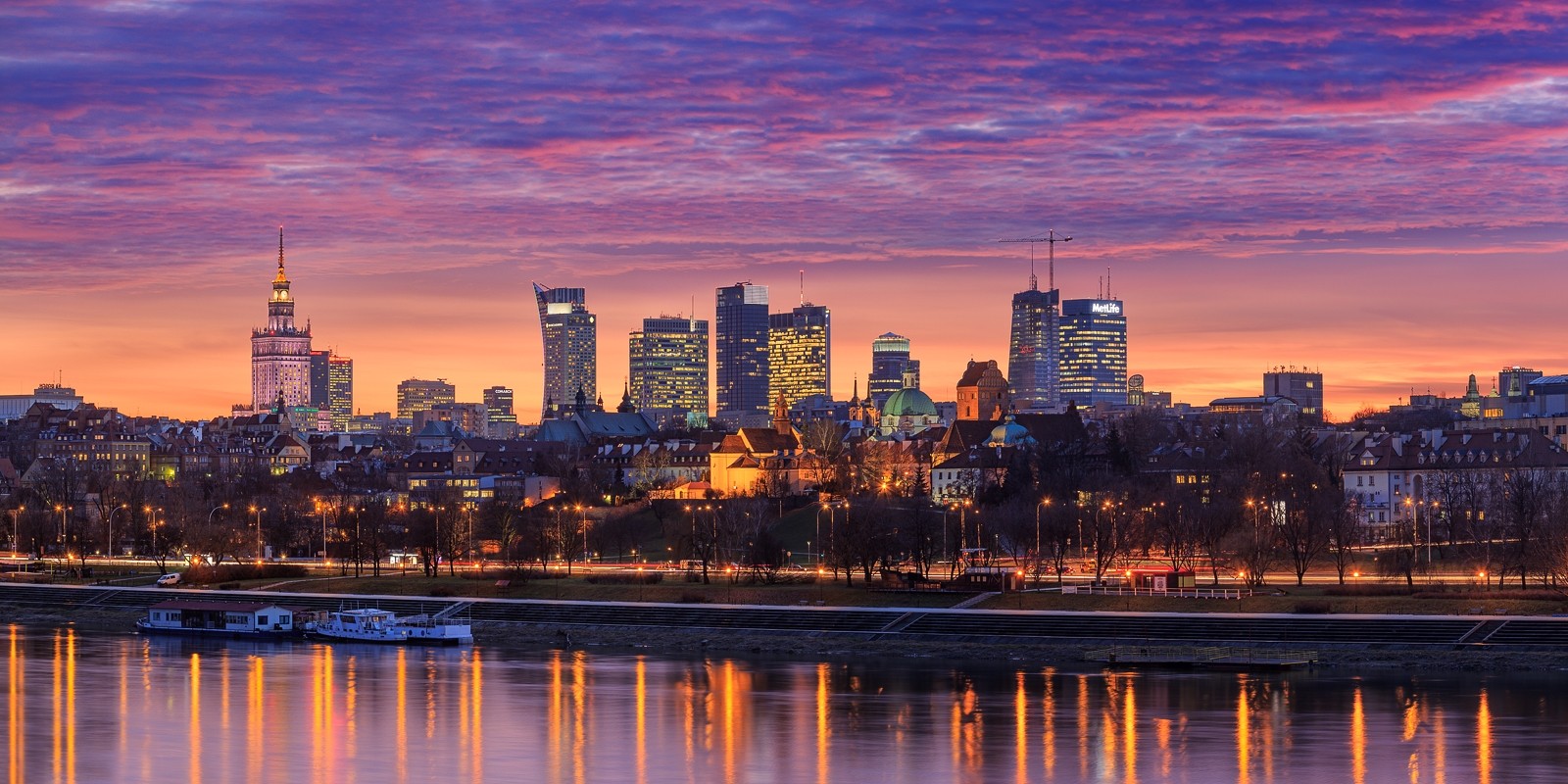
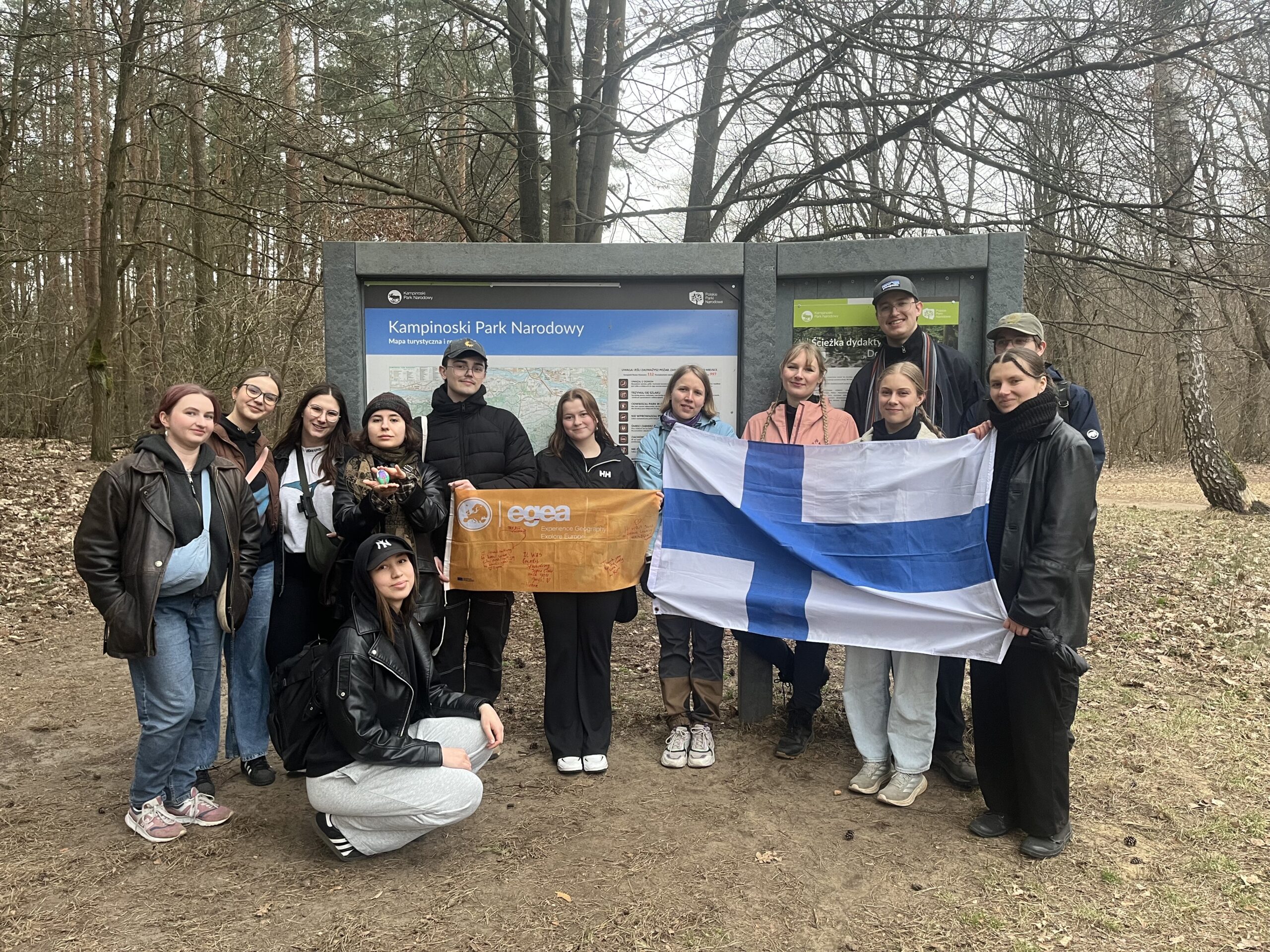
The capital and largest city of Poland, stands as a symbol of resilience, transformation, and renewal. Situated on both banks of the Vistula River, it bridges the past and the future with a unique spirit that has earned it the nickname “the Phoenix City” – reborn from the ruins after almost complete destruction during World War II. Once a royal capital and a vibrant center of culture and science, Warsaw has rebuilt itself into a dynamic European metropolis, blending historic charm with modern architecture. Surrounded by green spaces and located near Kampinoski National Park, Warsaw is not only a political and economic heart of Poland but also a city deeply connected to nature.
what to see in warsaw
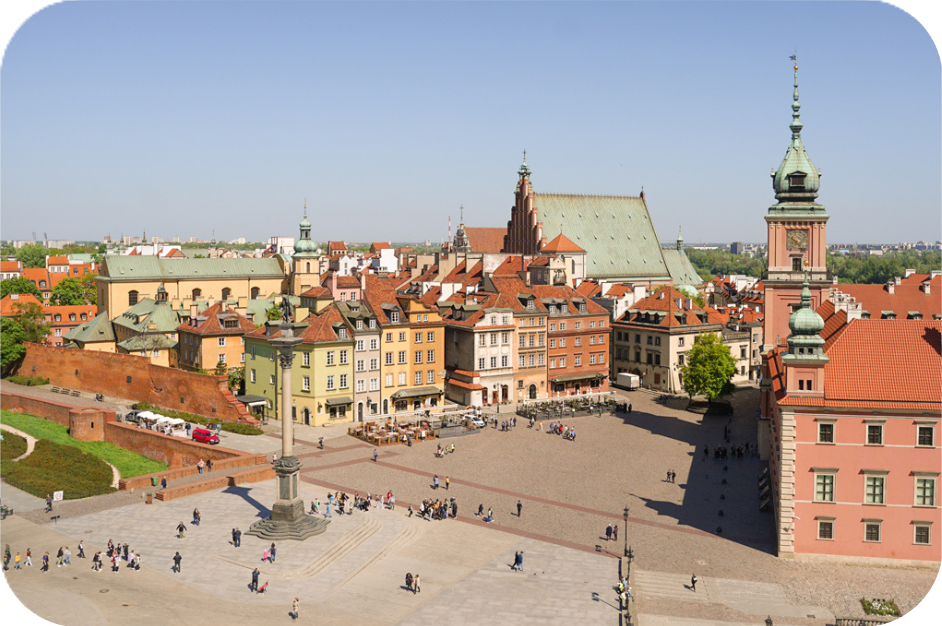
Old town
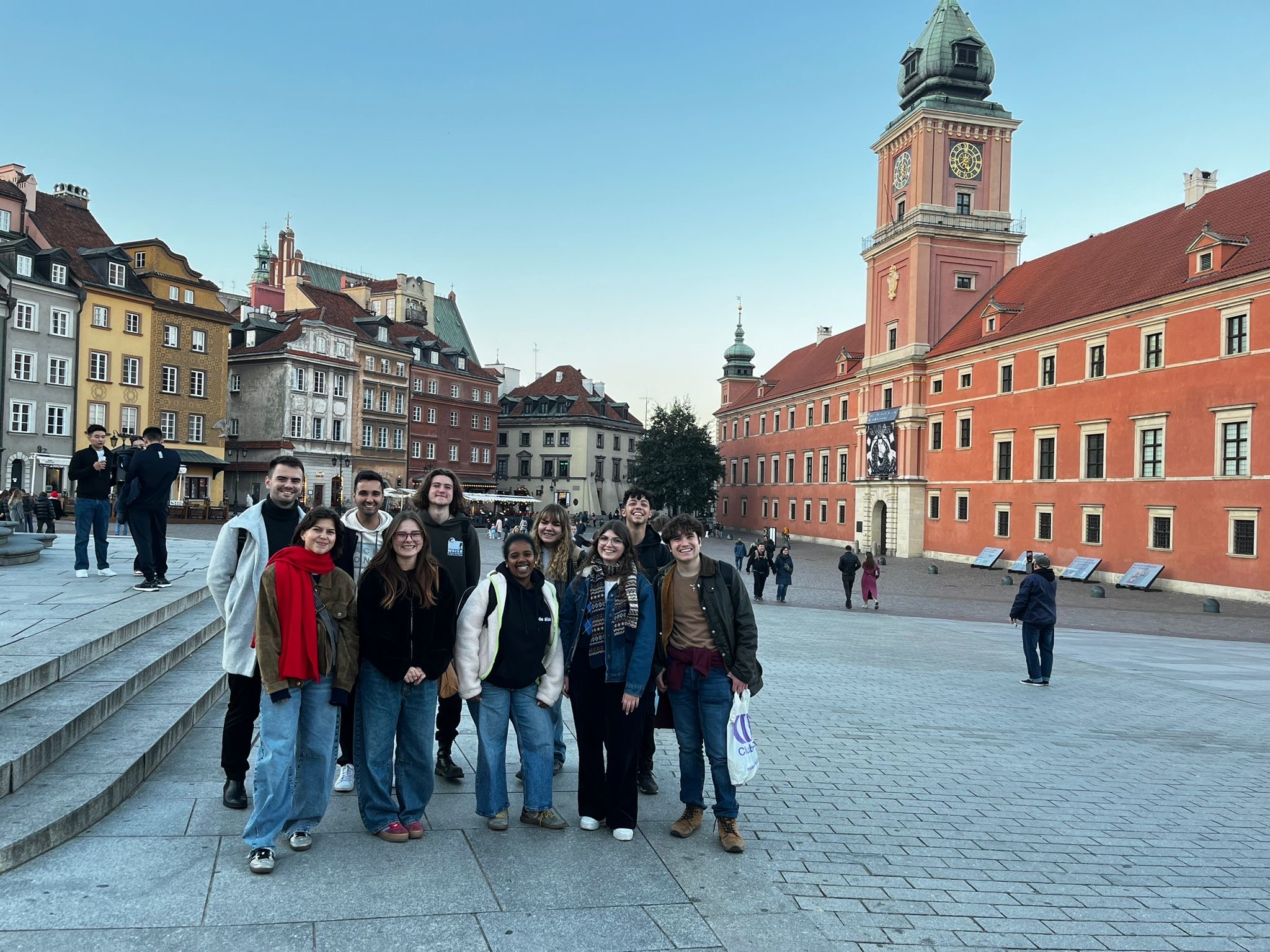
The Old Town of Warsaw is the historical center and one of the most iconic landmarks of the Polish capital. Established in the 13th century, it served as the heart of the city’s political, cultural, and social life for centuries. The Old Town was almost completely destroyed during World War II, but thanks to a remarkable reconstruction effort it was faithfully restored to its pre-war appearance. In recognition of this achievement, it was inscribed on the UNESCO World Heritage List in 1980 as a symbol of the successful restoration of a cultural heritage site. The Old Town is not only a historical monument but also a living part of the city, hosting numerous cultural events, concerts, and seasonal markets throughout the year.
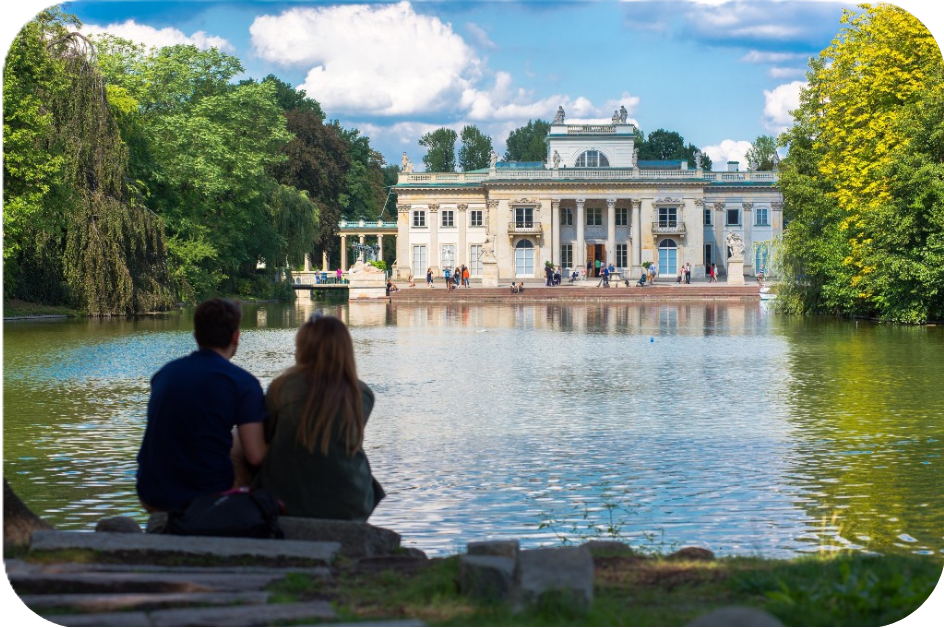
Royal BATHS
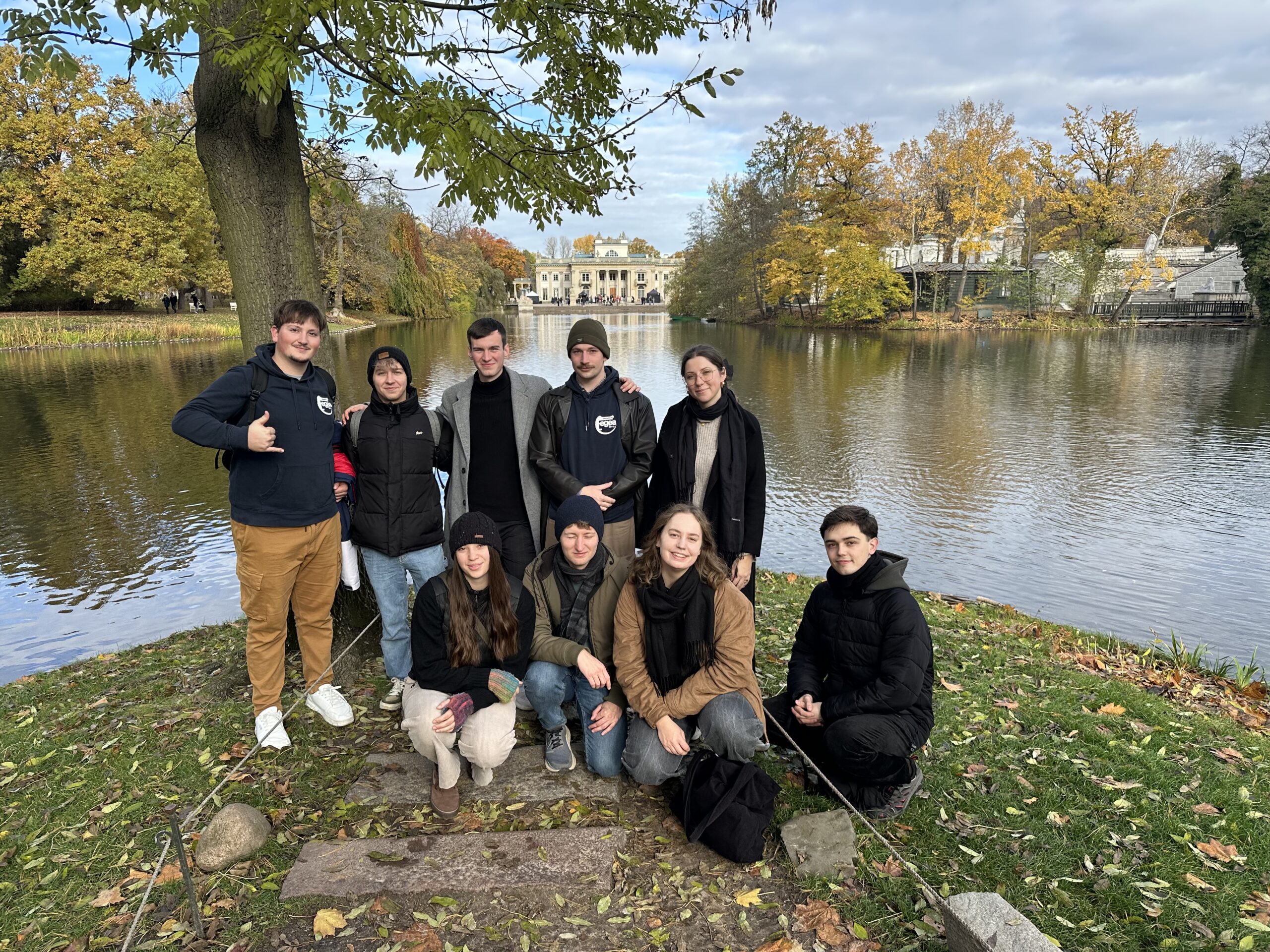
The Royal Baths is a palace and garden complex located in the central district of Warsaw. It is considered one of the most beautiful landmarks in the city. Founded in the 17th century, it served as the summer residence of the last king of Poland, Stanisław August Poniatowski. During his reign, the king would invite renowned artists, writers, poets, and musicians to Łazienki every Thursday to dine and discuss art. Today, the Łazienki complex includes several historic buildings that now serve as art galleries. Throughout the year, especially in the summer, the park hosts numerous cultural events, such as concerts and recitals. Many people consider it the happiest place in Warsaw.
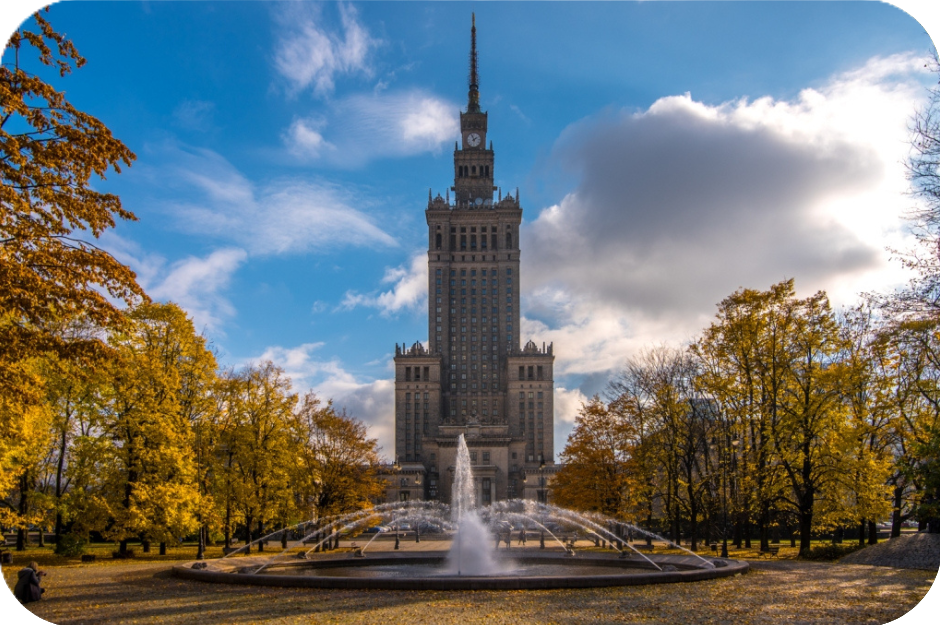
Palace of culture and science
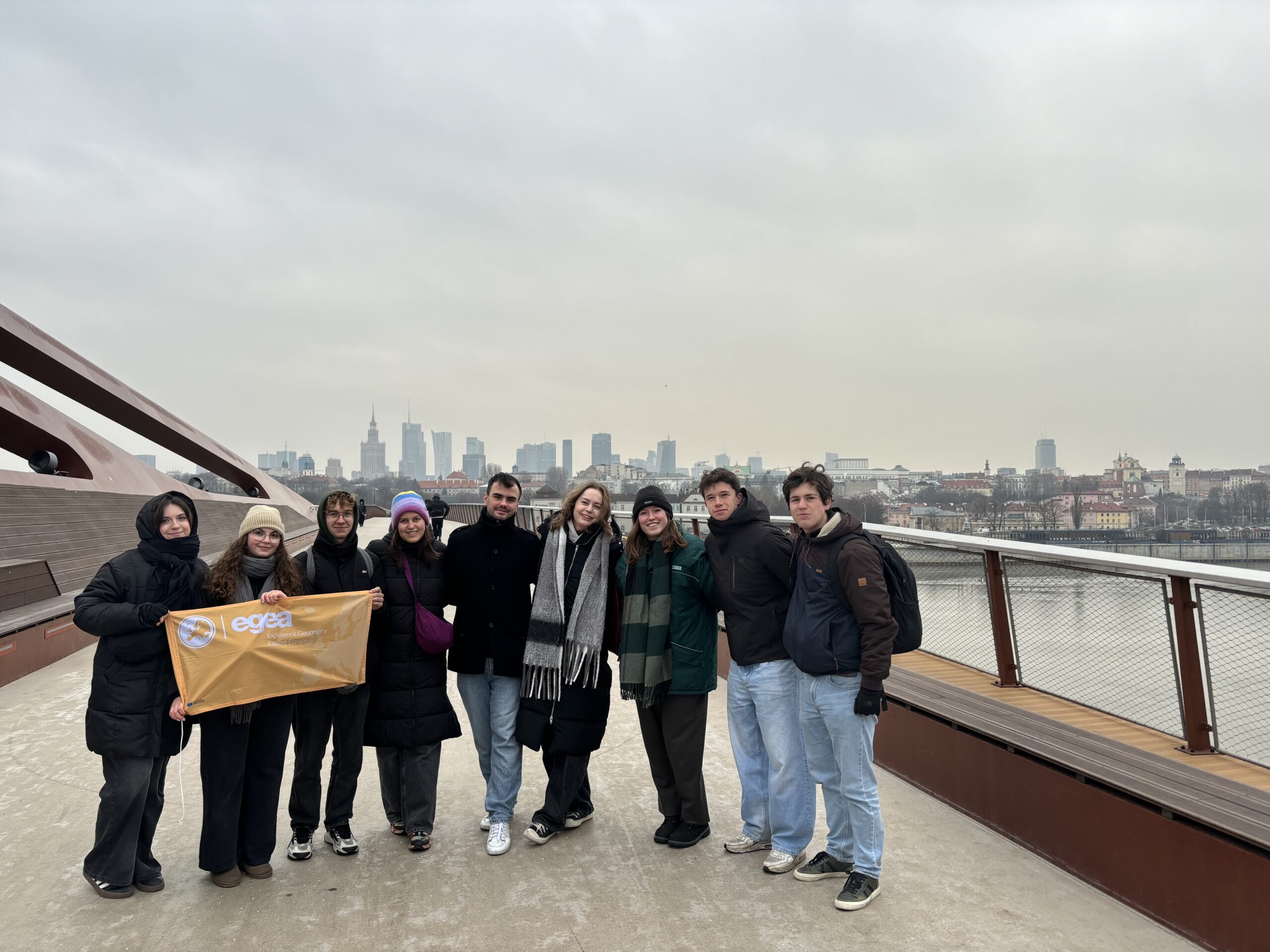
The Palace of Culture and Science in Warsaw is one of the most recognizable symbols of the capital. It was built between 1952 and 1955 as a “gift from the Soviet people to the Polish people,” designed by Soviet architect Lev Rudnev. The building combines elements of classicism with ornamentation typical of Socialist Realism, creating an impressive yet controversial silhouette. At 237 meters tall, it was for many years the tallest building in Poland. Its interiors house theaters, museums, a cinema, libraries, and numerous cultural and scientific institutions. One of the greatest attractions is the observation deck on the 30th floor, which offers panoramic views of the entire Warsaw. Despite its turbulent history, the Palace remains an important landmark and a center of the city’s cultural life.

Established in 1816, the University of Warsaw is the largest and one of the most historic universities in Poland. Its main campus, located in the heart of Warsaw, occupies former royal and aristocratic palaces, creating a unique blend of academic and historical heritage. Throughout its two centuries of existence, the university has been a center of intellectual life, resilience, and cultural identity, continuing to inspire generations of scholars, researchers, and students.
The Faculty of Geography and Regional Studies at the University of Warsaw is one of the leading academic centers for geographical research and education in Poland. Its activities cover a broad range of topics, including physical geography, human geography, spatial planning, environmental studies, and regional development.
OUR EXCHANGES
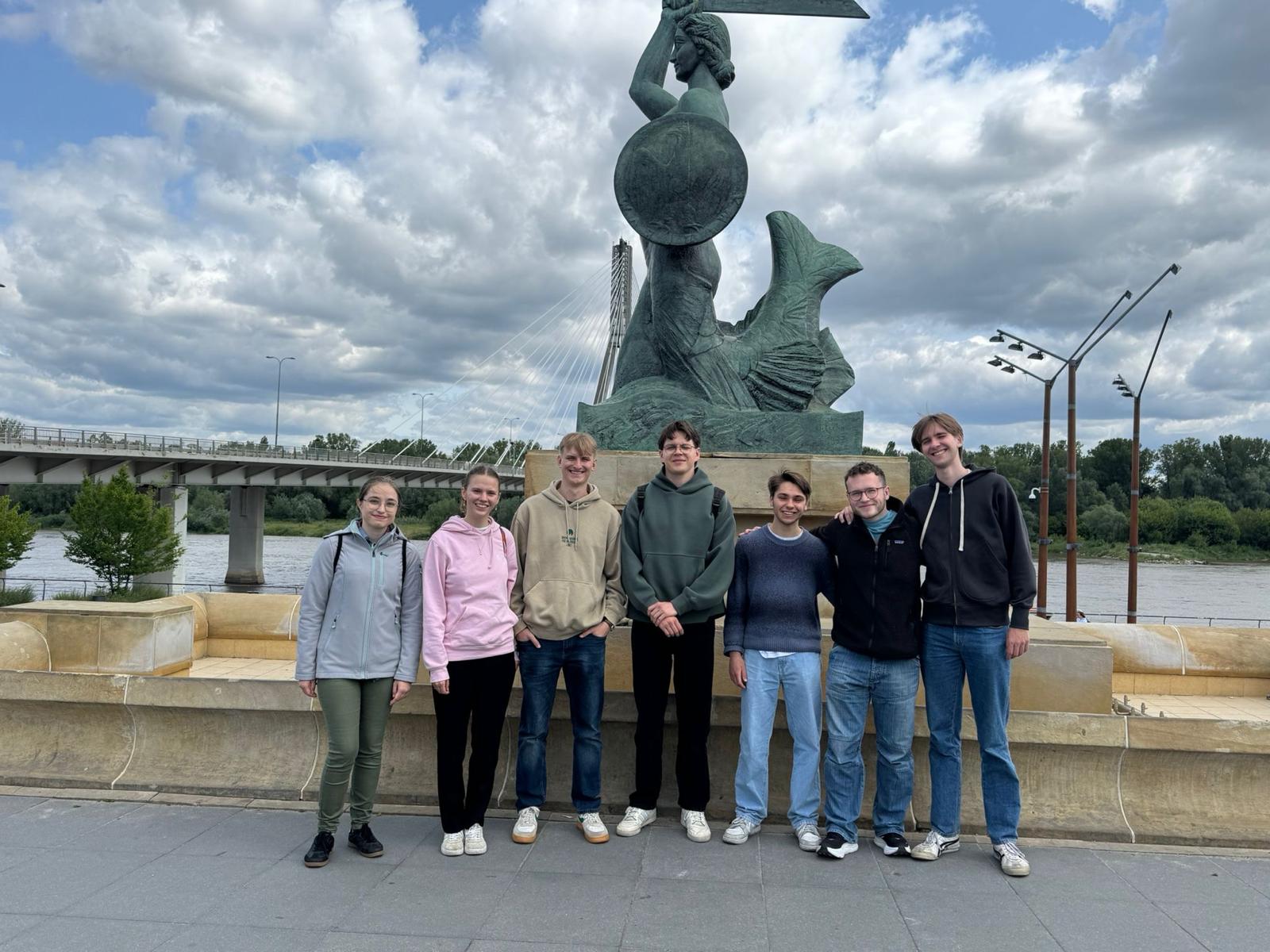
SEE YOU IN WARSAW!
Postal Address / Visiting Address
Faculty of Geography and Regional Studies
Krakowskie Przedmieście 30,
00-927 Warszawa